Restorative dentistry focuses on repairing damaged or missing teeth. These treatments help seniors eat comfortably, speak clearly, and maintain a healthy smile. With proper care and planning, restorative procedures are generally very safe for older adults.
What is Restorative Dentistry?
Restorative dentistry near you can refer to dental procedures to fix or replace teeth. The key purpose is to return to a normal function, which improves oral health.
Restorative treatments generally involve.
- Tooth fillings for cavities.
- Crowns for Your Damaged Teeth
- A dental bridge can replace missing teeth.
- Fake teeth for missing teeth.
- Tooth Replacement Through Dental Implants
Treatments like these help senior citizens eat their food properly by making chewing easier. They also protect remaining natural teeth.
Get an Effective Dental Care Plan in Gainesville, FL
Why Seniors May Need Restorative Dental Care
Many seniors experience dental problems due to age, wear, or past oral health issues. Seeing a dentist regularly helps detect problems early and prevents them from becoming more serious.
Common reasons seniors may need restorative dentistry include:
- Tooth decay from weakened enamel
- Missing teeth caused by gum disease
- Cracked or worn teeth
- Difficulty chewing food
- Changes in bite alignment
Restoring teeth can improve both oral health and overall quality of life.
Is Restorative Dentistry Safe for Older Adults?
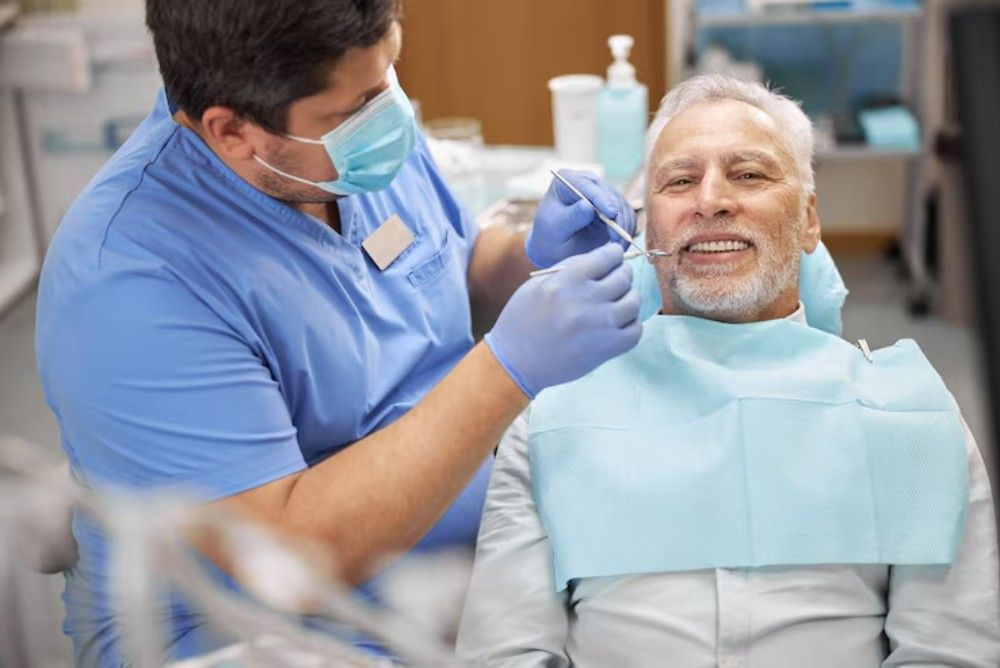
Yes, restorative dentistry is considered safe for most seniors. Dental professionals carefully review a patient’s medical history before recommending any treatment.
Safety is improved through:
- Modern dental technology
- Gentle treatment techniques
- Personalized care plans
- Local anesthesia for comfort
Dentists also consider existing health conditions to ensure treatments are appropriate and safe for each patient.
Common Restorative Treatments for Seniors
Older adults may benefit from several restorative procedures that help restore function and comfort.
Dental Fillings
Fillings are used to fix small cavities. They safeguard the tooth structure and prevent cavities from expanding.
Benefits include:
- Fast method
- Keeps the tooth the same
- Prevents further decay
Dental Crowns
Crowns cover damaged teeth and restore strength. They are commonly used when teeth are cracked, weak, or heavily filled.
Advantages include:
- Strong protection for damaged teeth
- Improved chewing ability
- Natural-looking appearance
Dental Bridges
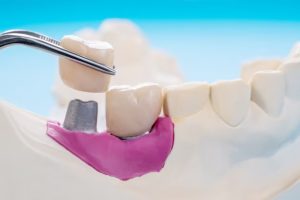
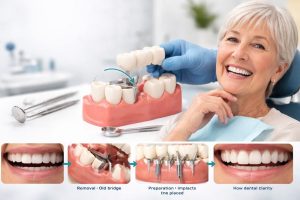
Bridges replace one or more missing teeth by connecting artificial teeth to nearby natural teeth.
Benefits include:
- Restores the ability to chew
- Prevents nearby teeth from shifting
- Improves smile appearance
Dentures
Dentures serve as a removable solution for several missing teeth. Often recommended for older people with major tooth loss.
Benefits include:
- Revives full smiles
- Enhances eating and speaking
- Supports facial structure
Dental Implants
Dental implants are permanent replacements for lost teeth. They are placed in the jawbone to support artificial teeth.
Benefits include.
- Stable and durable solution
- Assists with preserving bone strength.
- Works like your natural teeth.
While implants may not suit every older adult, there is still a good chance that they can.
Health Factors Dentists Consider for Seniors
Before recommending treatment, dentist in Gainesville reviews several health factors to ensure safety.
Important considerations include:
- Overall medical history
- Medications currently being taken.
- Gum health
- Bone strength in the jaw
- Ability to heal after treatment
These factors help dentists design a treatment plan that supports both oral health and overall well-being.
Benefits of Restorative Dentistry for Seniors
Restoring teeth can provide many long-term benefits for older adults.
Some of the main benefits include:
- Easier chewing and eating
- Clearer speech
- Less jaw pain or discomfort
- A more natural-looking smile
- More confidence when smiling and talking
Healthy teeth can also help seniors stay independent and enjoy their daily activities.
Tips for Maintaining Restored Teeth
After restorative treatment, taking good care of your teeth helps protect the dental work and keep the results for a long time.
Helpful habits include:
- Brush your teeth two times a day.
- Flossing regularly
- Visiting a dentist near you for routine checkups
- Limiting sugary foods and drinks
- Cleaning dentures properly if worn
These habits help ensure restorations remain strong and functional for many years.
When Seniors Should Consider Restorative Treatment
Seniors should consider dental care if they experience certain symptoms that affect oral health.
Signs that treatment may be needed include:
- Tooth pain or sensitivity
- Missing teeth
- Difficulty chewing food
- Broken or worn teeth
- Swollen or bleeding gums
Early treatment can prevent small issues from becoming larger dental problems.
Restore Your Smile With Expert Care!
Good and healthy teeth are important at all ages. Senior patients are safe to receive restorative treatments that enhance comfort, functionality, and confidence.
When you or a loved one suffers dental distress, the team at Smart Smile Dentistry is there to help. If you would like to learn more about safe restorative treatment options, contact them today for a consultation.
FAQs
Is restorative dentistry safe for seniors with health conditions?
Yes. Dentists carefully review a patient’s medical history before treatment. This helps ensure that restorative procedures are safe and appropriate for seniors with different health conditions.
Are dental procedures painful for older adults?
Most restorative treatments are comfortable because dentists use modern techniques and local anesthesia. Patients may feel mild soreness afterward, but it usually fades quickly.
Can seniors still get dental implants?
Many seniors are good candidates for implants if they have healthy gums and enough jawbone support. A dental evaluation is needed to determine eligibility.
How long do restorative dental treatments last?
The lifespan depends on the treatment and how well it is maintained. Crowns, bridges, and implants can last many years with proper oral care and regular dental visits.