
One of the most common concerns for anyone considering a cosmetic smile enhancement is whether the process will harm the underlying structure of their teeth. It is a valid question, as the desire for a beautiful smile should never come at the expense of long-term oral health.
When exploring porcelain veneers in Gainesville, patients often discover that this procedure is actually a minimally invasive way to correct imperfections like chips, gaps, or permanent stains.
Far from “damaging” the teeth, veneers are designed to work in harmony with your natural enamel to create a look that is both stunning and structurally sound.
What Happens To Your Enamel During The Veneer Process?
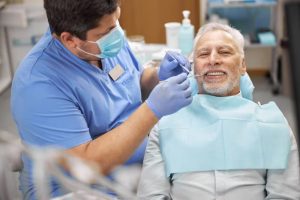
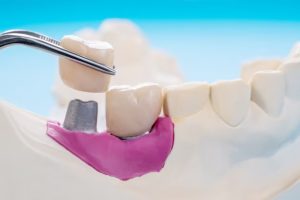
To understand if damage occurs, we must look at how the tooth is prepared. A skilled dentist in Gainesville will typically remove a very thin layer of enamel, usually less than a millimetre, to make room for the porcelain shell.
This ensures the veneer sits flush with your gum line and doesn’t look bulky. While this part of the process is permanent, it is not considered “damage” in a clinical sense.
Instead, it is a controlled preparation that allows the porcelain to bond securely. The veneer then acts as a new, protective surface for the tooth, shielding the remaining natural structure from further wear or acid erosion.
How Does Modern Technology Protect Your Natural Smile?
In the past, dental restorations required much more aggressive tooth reduction. However, a dentist near you today utilizes advanced materials and digital imaging to be as conservative as possible. “No-prep” or “minimal-prep” veneers are now options for many patients, meaning almost none of the natural tooth structure is touched.
By preserving as much of the original enamel as possible, the bond between the porcelain and the tooth remains incredibly strong. This modern approach ensures that the integrity of the tooth stays intact while the appearance is completely transformed.
Are Veneers A Reversible Cosmetic Solution?
It is important to recognize that because a small amount of enamel is removed, the standard porcelain veneer process is not reversible. Once the enamel is thinned, the tooth will always need a restoration, whether it is a veneer or a crown, to stay protected.
However, this is a strategic trade-off. By replacing a thin layer of natural enamel with durable, stain-resistant porcelain, you are essentially upgrading the outer “armor” of your tooth. As long as a qualified professional performs the procedure, the tooth remains healthy and functional beneath its new aesthetic exterior.
Can Bacteria Still Get Under The Porcelain Shells?
A common myth is that veneers cause the natural tooth underneath to rot. In reality, a veneer is bonded so tightly to the tooth that bacteria cannot get underneath it. The only way “damage” occurs after the procedure is through poor oral hygiene.
If you do not brush and floss, the edges of the tooth where the porcelain meets the natural structure can still develop cavities. Maintaining regular check-ups ensures that the bond remains sealed and that the natural tooth stays healthy for decades.
When cared for properly, veneers actually help maintain a stable environment for your smile.
What Role Does Material Quality Play In Tooth Safety?
The type of porcelain used is a major factor in how the restoration interacts with your bite. High-quality ceramics, such as E-max or zirconia, are designed to have a similar wear rate to natural enamel.
This prevents the veneers from being too abrasive against the opposing teeth when you chew. By choosing a professional who uses top-tier materials, you ensure that the rest of your mouth is protected from uneven wear.
A well-designed plan takes into account your entire bite alignment, making sure the new veneers don’t put unnecessary stress on your jaw or natural tooth roots.
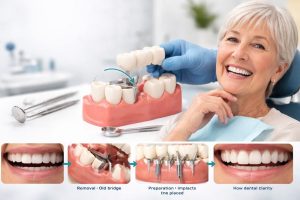
Understanding the Veneer Journey
| Step | Action Taken | Impact on Tooth |
| Consultation | Digital mapping of the smile | Zero impact; non-invasive |
| Preparation | Thinning of outer enamel layer | Permanent but minimal (0.3mm–0.5mm) |
| Bonding | Medical-grade adhesive application | Strengthens the tooth structure |
| Final Result | Placement of the porcelain shell | Adds a protective, stain-proof layer |
Protecting the Health of Your New Smile
The idea that veneers “ruin” teeth is a common myth. When done properly, modern porcelain veneers improve your smile while protecting your natural tooth structure.
Using a conservative approach and high-quality materials, veneers can strengthen the surface of your teeth and last 15 years or more. The key is choosing the right dental team and understanding your options.
At Smart Smile Dentistry, we focus on techniques that protect your natural teeth while delivering beautiful results. If you’re considering porcelain veneers, contact us to schedule a consultation and learn more.
FAQs
Will my teeth be sensitive after getting veneers?
Some minor sensitivity to hot or cold is normal for a few days after the preparation, but this typically disappears once the permanent veneers are bonded.
Can veneers break easily like my natural teeth?
While porcelain is very strong, it can chip under extreme pressure; avoiding habits like ice-chewing or nail-biting will keep both the veneers and your teeth safe.
How long do I have to wait to see the final results?
The process usually takes about two to three weeks from the first preparation visit to the final bonding, with temporary covers used in the interim.
Is the bonding glue safe for my enamel?
Yes, the bonding agents used in modern dentistry are bio-compatible and designed specifically to create a long-lasting, safe seal between the tooth and porcelain.