


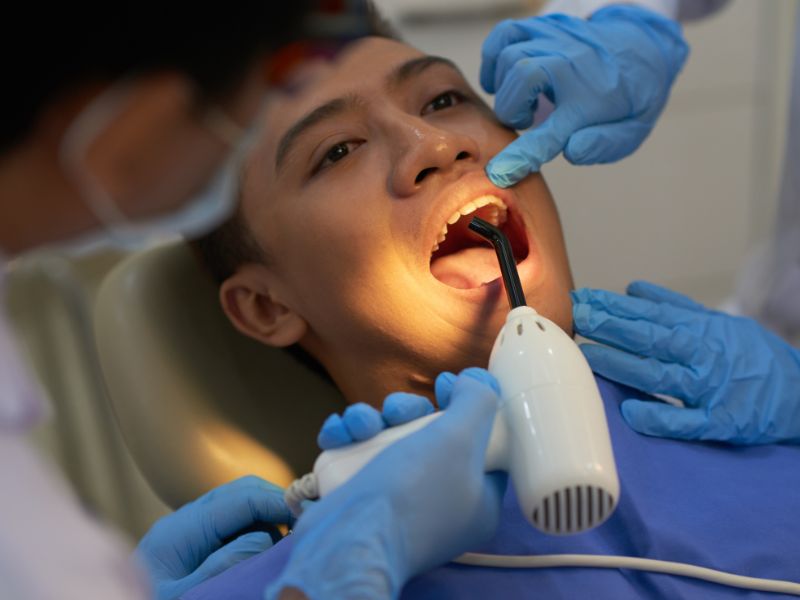
A beautiful smile is more than just a social asset; it is a vital part of your overall health. When teeth become damaged or lost due to decay or injury, restorative dentistry steps in to save the day. But what does restorative dentistry include exactly? Simply put, it is a specialized branch of dental care focused on repairing or replacing damaged teeth. The main goal is to bring back your natural smile and ensure your mouth functions properly so you can eat and speak without pain.
Common Restorative Dental Procedures
Restorative care covers a wide range of treatments tailored to your specific needs. Whether you have a small cavity or are missing several teeth, there is a solution available.
- Dental Fillings: This is the most common repair. Doctors remove decay and fill the space with composite resin that matches your tooth colour.
- Crowns: Often called “caps,” these protect weakened teeth by covering them entirely.
- Bridges: These fill the gap left by a missing tooth by anchoring a false tooth to the healthy teeth on either side.
- Dental Implants: A permanent solution where a metal post acts as a root for a new artificial tooth.
- Dentures: Removable appliances that replace a full or partial set of missing teeth.
Restorative Dental Treatments Explained Step by Step
If you are nervous about your visit, understanding the process can help ease your anxiety. While every patient is unique, most procedures follow a predictable path:
- The Exam: Your dentist uses X-rays to see the extent of the damage.
- Preparation: The area is numbed. For crowns or fillings, the dentist removes decay or shapes the tooth.
- Impressions: A mould is taken to ensure your new restoration fits perfectly.
- Placement: The final filling, crown, or bridge is bonded into place.
- Polishing: The dentist checks your bite and polishes the tooth to make it feel natural.
Comparing Your Options
Choosing the right treatment depends on the health of your jaw and the number of teeth involved.
| Treatment | Best For | Durability |
| Filling | Small cavities | 5–10 years |
| Crown | Cracked or broken teeth | 10–15 years |
| Implant | Replacing a single missing tooth | 25+ years |
| Bridge | Replacing 1–3 missing teeth | 7–12 years |
The Benefits of Restorative Care
Seeking help from a dental office near you does more than fix a hole in a tooth. Restoring your smile prevents other teeth from shifting out of place, which can cause jaw pain. It also makes it much easier to maintain oral hygiene, as gaps and cracks often trap harmful bacteria.
If you are looking for restorative dentistry in Gainesville, you will find that modern technology has made these visits faster and more comfortable than ever before. Visiting a trusted dental office in Gainesville ensures that you receive high-quality materials that look and feel just like your real teeth.
Why You Should Not Wait
Ignoring a dental issue usually leads to more expensive problems later. A small cavity that needs a simple filling can turn into an infection that requires a root canal. By acting early, you preserve your natural tooth structure and keep your smile bright for years to come.
Your Path to a Healthier Smile
Your teeth are designed to last a lifetime, but sometimes they need a little extra help. Restorative care is the bridge between dental damage and a functional, happy mouth. By choosing the right treatments, you can regain your confidence and enjoy your favourite foods again.
Smart Smile Dentistry is here to help you achieve the healthy smile you deserve. Our team provides gentle care tailored to your comfort. Please call us today to book an appointment.
Frequently Asked Questions
Does restorative dentistry hurt?
Most procedures involve local freezing to ensure you feel no pain. You might feel slight pressure, but it is very manageable.
How long do dental crowns last?
On average, a crown lasts about ten to fifteen years. Proper brushing and regular checkups help them last much longer.
Are dental implants better than bridges?
Implants are more durable and preserve the jawbone. However, bridges are a faster, non-surgical option for replacing a missing tooth.
Will my insurance cover these treatments?
Most insurance plans cover a portion of restorative care. It is best to check your specific policy for coverage details.
How do I care for my restorations?
Treat them like natural teeth. Brush twice daily, floss every night, and avoid biting down on very hard objects or ice.